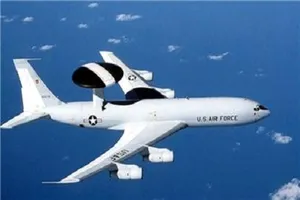
United States as incendiary in Iran-Iraq war
Records show that the United States of America acted as incendiary to inflame the Iran-Iraq war in the 1980s. These records clearly indicate how the US incited Iraq into a war with Iran. The book “Iran and US Challenges after the Islamic Revolution” published by the Islamic Revolution Documents Center reveals parts of the US attempts to make Iraq enter war with Iran.
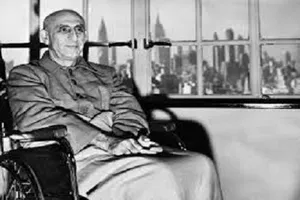
How US let Mosaddeq down
Contrary to what Mohammad Mosaddeq, Iranian prime minister from 21 July 1952 to 19 August 1953, believed, although Harriman had been dispatched to Iran by Washington as intermediary, the American guy’s real business was to politically pressurize Iran
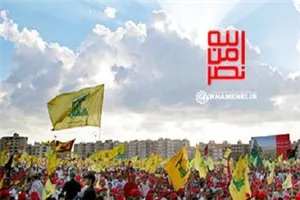
The status of the Zionist regime of Israel in Lebanon
Mohammad Reza Sheibani, currently Iran’s deputy foreign minister for the Middle East, used to work as ambassador to Lebanon during the 33 day war. He is the author of “An Oral History of the Foreign Policy of the Islamic Republic of Iran” published by the Islamic Revolution Documents Center. Writing on the 33 day war in his book, Shiebani says:
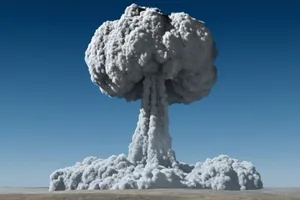
US backing Israel over nuclear arsenal
The US in recent years has signed contracts over new generation of smart nuclear bombs as well as some kinds of biological bombs. In the meantime, Israel is equipped with nuclear warheads and has also refrained from signing the Non-Proliferation Treaty as well as the Additional Protocol.
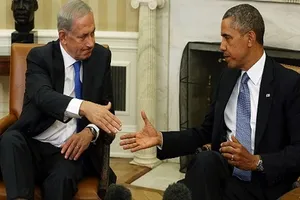
The US and Iran’s nuclear issue
American neoconservatives believe that in the current situations the Middle East acts in an anti-systemic way. They believe there is only one region, the Middle East, which resists the Western capitalist system as well as efforts to security the future of Israel. Under such circumstances, as the first priority, there is the plan to subjugate or confront those countries that oppose the American hegemony. As the second plan, there is the building of the New Middle East, which relates to those countries that are still away from democracy as seen by Americans.
The scandalized Zionist regime after Iranian revolution
The diplomacy of the Islamic Republic of Iran since the very first days after the revolution has had a characteristic power to influence the world opinion. Since the revolution was founded on a new thought, it laid its influence on the world public mind. Therefore, the issue of public diplomacy is related to the Islamic revolution phenomenon and Imam Khomeini is the real teacher of it. Of course in different eras the way this characteristic has been tapped and the way the world’s public mind has been influenced varies.
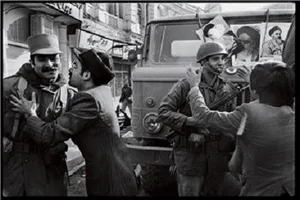
The curettage and how it failed
General Robert E. Huyser in his memoires has written: I went covertly to Tehran to investigate the matter how a coup is possible and whether it is expedient. After much investigation, order came from Washington to form a powerful government led by Shapour Bakhtyar. If that failed, a military coup would be conducted.
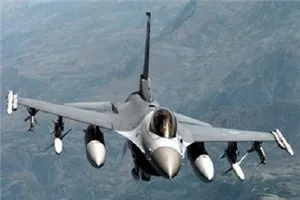
Military cooperation between Mohammad Reza Pahlavi and US
The military cooperation between the Pahlavi regime and the United States can go down history as a big treason, one that had targeted world peace and security. The weapons that Mohammad Reza Pahlavi used to buy were granted by giving the petrodollars of the Iranian nation to the US. They would finally turn into a fireball and descend upon the Iranian people, killing them in the streets.
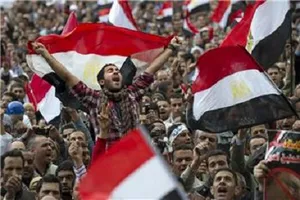
Saudi Arabia, West’s biggest stronghold in Arab ME
Although the House of Saud live in Saudi Arabia in the holiest places of Muslims, where annually tens of millions of Muslims from all walks of life and from all races visit to pray at the House of God, they have been acting as a hurdle against Islamic awakening.
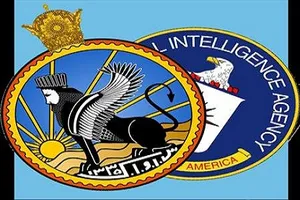
How CIA, Mossad helped form Savak
Islamic Revolution Document Center -- During its lifetime, Iran’s Savak worked in close cooperation with the CIA and Mossad. After the 1953 coup, the US entered Iran’s political stage fully. After they brought on the dictatorship in Iran, the US decided to keep the country as their foot hold in the region. The US was trying to secure its place in Iran and the region by infiltrating Iran’s intelligence and security organizations.