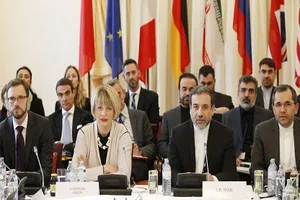
JCPOA and the dilemma of who is starting implementation first
While Iran and the group 5+1 (the US, UK, France, Russia, China, and Germany) have settled between themselves to take steps in the implementation of the JCPOA, there is the worry on either side, Iran in particular, that the other side of the deal is not following up simultaneously.
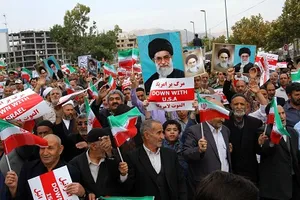
‘Down with USA’ ideological motto of Islamic Revolution
The Down with USA motto is in fact a warning call and standup call for Islamic nations against the schemes of the United States. Accordingly, the living on of this motto is owing to the Iranian nation’s morale to fight injustice and disgrace the US in front of countries oppressed by world arrogance which is still rampant 37 years after the Islamic Revolution.
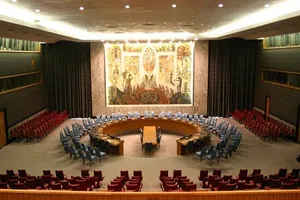
Iran and its pursuit of UN Security Council reform
Iran has on many occasions condemned the current makeup of the United Nations Security Council and called for major reforms there. This comes from the fact that their expectations from the council to stand by them as a defender of their rights have been hampered on many occasions.
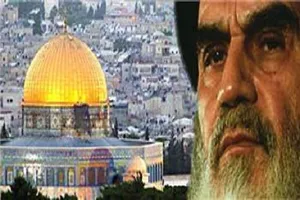
Rereading Imam Khomeini’s historic objection to Saudi Arabia’s compromising plan
If we consider the Egyptian Anwar Sadat as the founder of compromise with the Zionist regime of Israel, we should consider Saudi Arabia and its Fahad bin Abdulaziz plan as the follower of the cause and on of the major agents behind the prevalent situations afflicting the people of the occupied Palestinian land. In the meantime, the historic reaction of late leader Imam Khomeini not only laid waste the scheme and the treason, it turned also into a powerful point in the Palestinian fight and the axis of resistance.
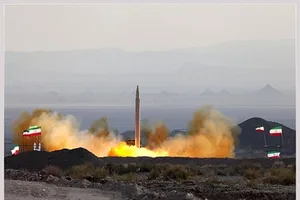
Special case study on Iran’s missile uprising – part 1
Reviewing Iran’s first missile step
The Iraqi Ba’ath party’s missile attack on Iranian cities during the Iran-Iraq war provided the first idea to launch a missile unit during the war. That initial idea has been expanding ever after until today. Therefore, the Islamic Revolution Document Center has created a special case study to analyze the conditions of the Islamic Republic’s first missile step.
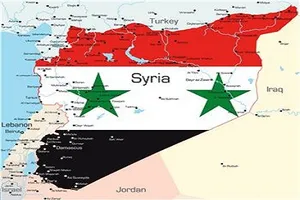
The controversy over Iran and the Syrian Army
While Western countries keep saying that Iran is keeping active military presence in Syria, Tehran has on numerous occasions denied the accusations and said that the country only provides President Bashar Assad with military consultation.
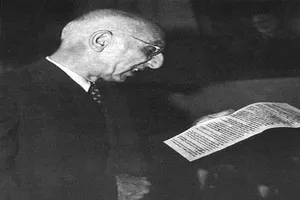
Four instances of democracy violation by national front
The formation of the national front on the first day of Aban in the Iranian calendar year 1328 has a direct link to the issues of oil and the sham elections of the Majlis. The front which had introduced its tenets as to solve the issues of oil and reform the electoral patter had entered Iran’s political arena with democratic slogans and used to stress the constitution and democratic basics. But on many occasions it violated democratic basics and in a way disregarded democracy.
Approbatory supervision on laws in other countries
In the Iran of today, some groups considering themselves modern and enlightened claim that the approbatory supervision of the Guardian Council over the Majlis legislation is irrational and non-democratic. They call for shrinking the influence of the Guardian Council. But, by observing the observatory systems of other countries, many instances of such supervision can be discerned.
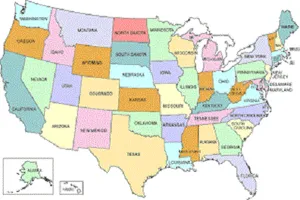
ME disintegration by West through history
After 100 years, the borders defined for Middle Eastern countries have met serious challenge with the emergence of new-fangled groups such as the terrorist group Islamic State in Iraq and the Levant (ISIL).
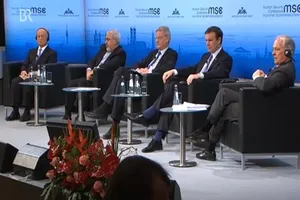
Iran hosts high-profile Munich Security Conference
While Iran has been following the policy to open up to the world since President Hassan Rouhani came to office in 2013, Iran has been the focus for much attention in the international arena. The latest manifestation of such attention was the MSC conference which was held in Tehran on Saturday.