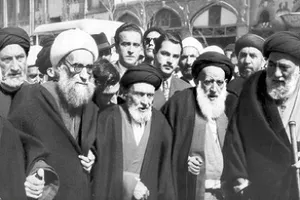
Public uprising against the existence of the Zionist regime
Following the announcement of the existence of the Zionist regime, Ayatollah Kashani called on the people of the world to support the Palestinian people by calling on the people to fight against the occupying regime in Quds. Martyr Navvab Safavi, along with Ayatollah Kashani, delivered shocking speeches calling on the people and officials to fight. Martyr Navvab Safavi, along with Ayatollah Kashani, delivered shocking speeches calling on the people and officials to fight. In a statement, Grand Ayatollah Boroujerdi called on Muslims in Iran and other Islamic countries to unite against Zionist Jews. Ayatollah Seyyed Mohammad Behbahani also strongly opposed to this move in a letter to the Pope, the world's Catholic leader. Different sections of the people also expressed their anger at the existence of the occupying regime by announcing their readiness to be sent to fight.
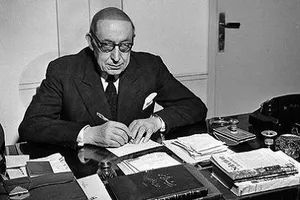
"Qavam Serving The Dictator" in US Department of State Documents
Qavam-al-Saltaneh was appointed as the head of ministers in 29 May 1921, and went to his office directly from the prison. "He is the younger brother of Vosoogh-al-Doleh and had roles in different cabinets from 1910 - 1918. Then he became the governor of Khorasan. But Seyyed Zia, the former head of ministers, jailed him in March. His intellectual, reformist and dynamic character is praised by everyone, but he's also known for bribery... Till this moment, all influencial men arrested by the previous government have been freed."
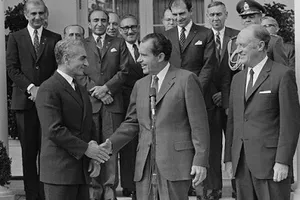
The Structure of the Power during Second Pahlavi Era
The one way vertical structure of the power had prevented the interaction in the cultural reformations of the social system, so the political culture had taken the place of the policies of culture. In other words, the lack of rationality in the culture-related communications had created a crisis the social recreation, and systematic rationality instead, had taken its place.
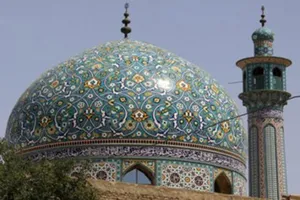
Mosques and the Islamic Revolution
The Pahlavi government, with its multifaceted control and vigilance, could not hinder the efficiency of the mosque.
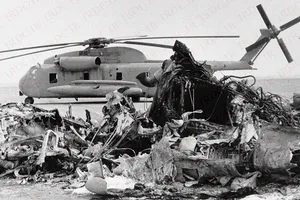
Rereading The America's Defeat In Tabas
Carter's options to compensate for the blow of the spy nest/ How the rescue operation came to a standstill?
US President Carter planned an operation called "Rescue" to free the hostages taken during the capture of the spy nest, which ultimately failed. This defeat dealt a major blow to America's image internationally, as well as to the domestic morale of their nation. The following is a description of this operation and how it failed.
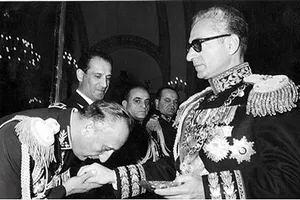
The decline of the Pahlavi regime according to the court
When the Pahlavi regime reached its peak of drunkenness in the shadow of tyranny and oppression, the Iranian society showed special reactions in this period that these reactions were not hidden from the eyes of the courtiers. Dissatisfaction, the formation of the Islamic Revolution and the defeat of the Pahlavi dynasty were the final link in the political situation during the Pahlavi regime. Signs of decline began to appear in the eye in the mid-1970, and even those who were close to the court could feel it.
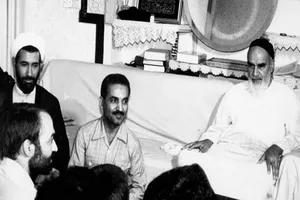
The reaction of the hypocrites to the formation of the Mojahedin of the Islamic Revolution Organization?
From the second half of 1978, the need for cohesive groups and organizations to lead and organize the revolution and the formation of the Islamic system was felt more than ever. For this reason, Martyr Morteza Motahari, Martyr Haj Mehdi Iraqi and Jalaluddin Farsi informed Imam Khomeini's views on the need for coalition and unity to Muslim militant groups inside the country. In the meantime, seven militant groups, which later worked together in a committee to welcome Imam Khomeini came together to form an organization to defend the fledgling Islamic Republic.
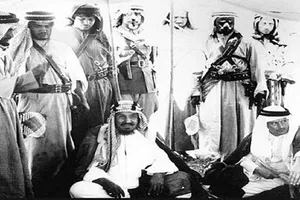
A review of Assadollah Kharghani's political ideas:
The pioneer of Salafism in Iran
With the need to return to the first four decades of the rise of Islam in the Hejaz and Iraq, he was seeking changes in religion that recalled the claims of pro-Ibn Taymiyya thinkers and his influence on the Salafism and their teachings.
A review on the consequences of the monopoly of foreign trade
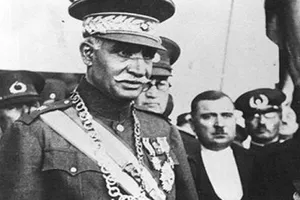
The Reasons for the marginalization of national properties in the period of Reza Shah
The huge money deposits of Iranians in the banks of Swiss and other countries , brought Iran to disrepute after the World War ||. Some analysts believed that the cause was the enforcement of the monopoly of foreign trade law.
The relationship between First Pahlavi and the Foreign Advisors
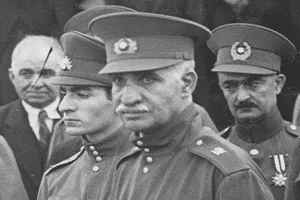
Two episodes of the encounter between Reza Shah and Millspaugh
Reza Khan, the minister of War, had financial problems in his way to create a powerful modern army, so he accepted the offer of Ghavam administration to leave the financial issues to a board of advisors from United States. Their reformations laid the plots for him to gain more power and establish the Pahlavi Kingdom.